Introduction
The online casino industry has undergone a massive transformation over the years, evolving into a sophisticated digital ecosystem that blends entertainment, technology, and user engagement. What started as a simple extension of land-based casinos has now become a global phenomenon, attracting millions of users daily.
Today’s online casinos are designed to deliver not just games, but complete experiences. From visually rich interfaces to real-time multiplayer interactions, the focus has shifted toward immersion and personalization. This transformation is driven by continuous advancements in software development and user-centric design.
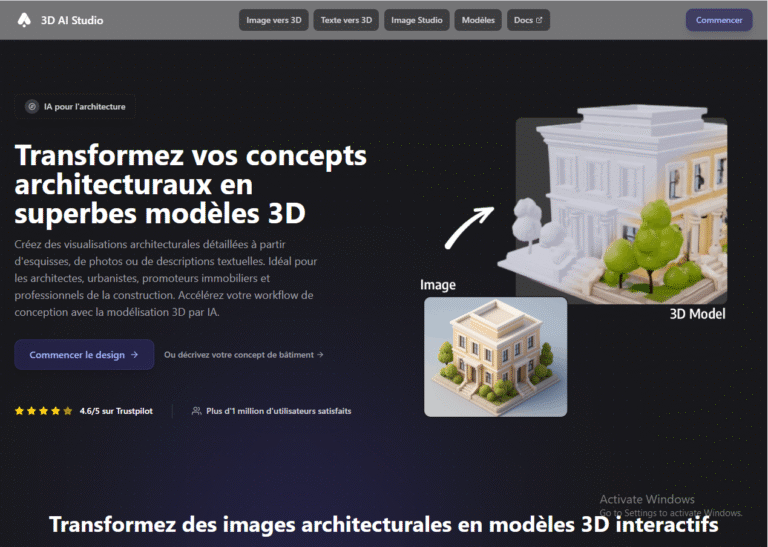
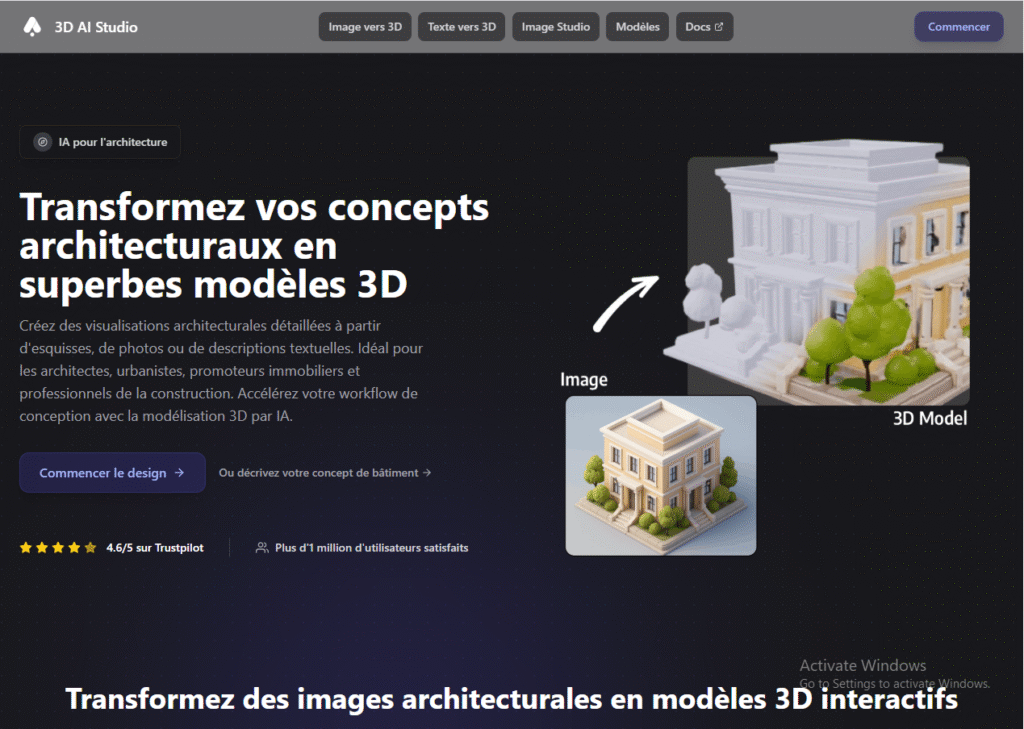
A major contributor to this evolution is the integration of IA architecture 3D, which allows developers to create realistic, interactive environments that enhance player engagement. By leveraging solutions like IA architecture 3D, online casinos are redefining how players perceive and interact with digital gaming spaces.
The Evolution of Online Casinos
Online casinos first appeared in the 1990s, offering limited functionality and basic graphics. Over time, improvements in internet speed and computing power enabled developers to create more complex and engaging platforms.
The introduction of mobile technology marked a turning point, allowing players to access casino games anytime and anywhere. This convenience significantly increased user adoption and contributed to the industry’s rapid growth.
Today, online casinos offer thousands of games, ranging from classic table games to innovative slot machines and live dealer experiences. The industry continues to evolve, driven by technological innovation and changing user expectations.
The Role of Technology in Modern Casinos
Technology is the backbone of the online casino industry. It not only enhances gameplay but also ensures security, fairness, and reliability.
Artificial Intelligence
Artificial intelligence is widely used to improve user experience. It helps in analyzing player behavior, detecting fraud, and providing personalized recommendations. AI-driven chatbots also offer instant customer support, making interactions more efficient.
3D Design and Visualization
3D design has revolutionized the visual appeal of online casinos. Players can now explore virtual environments that closely resemble real-world casinos. This level of detail enhances immersion and makes the gaming experience more enjoyable.
Blockchain Integration
Blockchain technology ensures transparency in gaming operations. It allows players to verify outcomes and ensures secure financial transactions. Cryptocurrencies further enhance convenience by offering fast and anonymous payment methods.
Popular Online Casino Games
Online casinos cater to a wide range of player preferences by offering diverse game options.
Slot Games
Slot machines are among the most popular games due to their simplicity and variety. They feature engaging themes, bonus rounds, and progressive jackpots.
Table Games
Classic table games like blackjack, roulette, and baccarat remain favorites among players. These games often require skill and strategy, making them appealing to experienced users.
Live Dealer Games
Live dealer games provide a realistic casino experience by allowing players to interact with real dealers via video streaming. This adds a social element to online gaming.
Strategies for a Better Gaming Experience
While online casinos are primarily for entertainment, adopting certain strategies can enhance the overall experience.
Manage Your Budget
Setting a budget is essential for responsible gaming. Players should avoid overspending and stick to their limits.
Learn Game Rules
Understanding the rules and odds of each game can improve decision-making and increase chances of success.
Use Bonuses Wisely
Bonuses and promotions can extend gameplay and provide additional opportunities to win. Players should carefully review terms and conditions.
Ensuring Security and Fair Play
Security is a critical aspect of online casinos. Reputable platforms use advanced encryption technologies to protect user data and transactions. Independent audits ensure that games operate fairly and use random number generators.
Players should always choose licensed casinos and verify their credibility before playing.
Mobile Gaming and Accessibility
Mobile gaming has significantly impacted the online casino industry. With smartphones and tablets, players can access games anytime, anywhere. Mobile-optimized platforms offer seamless performance and high-quality graphics.
This accessibility has expanded the player base and contributed to the industry’s continued growth.
Challenges in the Industry
Despite its success, the online casino industry faces several challenges.
Regulatory Compliance
Different regions have varying laws regarding online gambling. Operators must navigate complex legal frameworks to ensure compliance.
Responsible Gambling
Promoting responsible gambling is essential. Casinos must provide tools to help players manage their behavior and prevent addiction.
Intense Competition
The market is highly competitive, requiring continuous innovation to attract and retain players.
Future Trends in Online Casinos
The future of online casinos is shaped by emerging technologies and evolving player expectations.
- Virtual reality casinos offering immersive experiences
- AI-driven personalization for tailored gameplay
- Blockchain-based platforms ensuring transparency
- Integration with the metaverse for interactive environments
These trends indicate a shift toward more engaging and interactive gaming experiences.
Conclusion
Online casinos have come a long way from their early days. With advancements in technology and design, they now offer immersive, secure, and personalized experiences.
The integration of innovative solutions like IA architecture 3D continues to push the boundaries of what is possible in digital gaming. As the industry evolves, players can expect even more exciting developments in the future.
By understanding the dynamics of online casinos, players can make informed decisi
About the Author