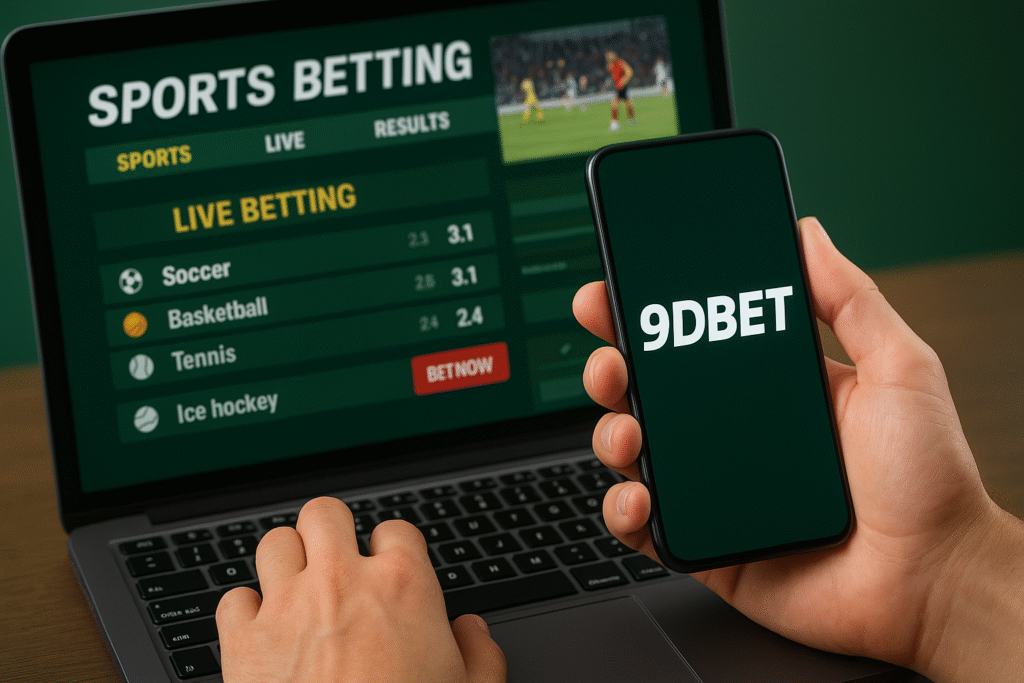
Casinos, both online and offline, are designed to entertain, excite, and captivate players. The reason casino games are so engaging isn’t just luck or chance — it’s psychology. Game developers and casino operators use a combination of design, behavior patterns, and reward systems to create experiences that keep players returning. Understanding these psychological elements can help players make smarter, more informed decisions.
The Power of Uncertainty
One of the strongest psychological drivers in gambling is uncertainty. Humans are naturally drawn to situations where outcomes are unpredictable. Every spin of a slot reel, every card drawn, and every roulette roll offers the possibility of a win — even when losses are more likely.
This uncertainty creates anticipation. The excitement players feel right before the result appears is a powerful emotional trigger. It keeps the brain engaged and encourages repeated play.
Reward Systems and Small Wins
Casino games often use “frequent small wins” to keep players feeling rewarded. Even when the payout is less than the amount bet, flashing lights, animations, and cheerful sounds create the impression of success.
These small wins activate the brain’s dopamine system. Dopamine is the neurotransmitter linked to enjoyment, motivation, and reward. When players experience a win — even a tiny one — the brain releases dopamine, encouraging them to continue playing in hopes of repeating that feeling.
The Illusion of Control
Many casino games give players the sense that they can control or influence outcomes. Even when a game is based entirely on luck, adding choices creates an illusion of skill.
Examples include:
- Choosing when to stop a slot’s reels
- Picking numbers in roulette
- Selecting cards in video poker
- Deciding whether to hit or stand in blackjack
These actions make the game feel more interactive and engaging. Players feel more confident, even if their choices don’t affect the odds significantly.
Near Misses and Why They Matter
A near miss happens when the result comes close to a win but falls short — like two jackpot symbols appearing on a slot’s payline with the third just above. Studies show that near misses trigger the same emotional response as actual wins. They increase excitement and prolong play because players feel “almost there.”
Online slot developers use near misses intentionally to keep players invested. The perception of being close to a big win encourages continued attempts.
Bright Colors, Sounds, and Visual Design
Casino games use sensory elements to make the experience more stimulating. Bright colors command attention, music creates atmosphere, and animations celebrate every winning moment. Together, these effects keep players emotionally engaged.
Online casinos replicate these effects digitally, often with even more intensity. Developers design games with high-quality graphics, themed music, and fast-paced visuals that make gameplay immersive.
Social Interaction and Competition
Some casino games add social elements to enhance engagement. Live dealer games allow players to chat with real dealers and interact with others at the table. Poker rooms include competitive play that challenges skill and strategy.
Human interaction makes gambling feel more like 9Dbet App entertainment and less like solitary gaming. Players enjoy the sense of community, competition, and shared excitement.
Losses Feel Less Painful Digitally
In traditional casinos, players hand over chips or cash, which creates a stronger psychological connection to money. Online casinos use digital balances and virtual credits, which feel less “real.” This can make losses feel softer and encourage longer play.
Features like quick deposit options or auto-betting tools also reduce friction, making it easier to continue playing without pausing to think.
Understanding the Psychology Helps Players Stay in Control
Casino games are intentionally designed to be engaging and rewarding. Recognizing the psychological factors — uncertainty, small wins, near misses, sensory effects, and social elements — empowers players to enjoy gambling responsibly. When players understand how games influence behavior, they can set limits more effectively and maintain control over their experience.
About the Author
